The Future of Artificial Intelligence (AI): How AI Is Transforming the World in 2026
Revised on July 26, 2026.
Artificial Intelligence (AI) has become one of the most talked-about technologies in the world. From helping doctors diagnose diseases to powering virtual assistants and improving online shopping experiences, AI is changing how people live and work. In 2026, businesses, governments, and individuals are investing heavily in AI because of its ability to improve productivity, reduce costs, and create innovative solutions.
If you're a business owner, student, entrepreneur, or technology enthusiast, understanding AI is no longer optional—it's becoming an essential skill for the future.
What Is Artificial Intelligence?
Artificial Intelligence refers to computer systems that can perform tasks that normally require human intelligence. These tasks include:
- Learning from data
- Understanding human language
- Recognizing images and speech
- Solving complex problems
- Making predictions
- Automating repetitive work
Unlike traditional software that follows fixed instructions, AI systems learn from experience and improve their performance over time.
Why Artificial Intelligence Matters
AI is transforming nearly every industry because it helps organizations:
- Increase efficiency
- Save time and money
- Improve customer experiences
- Analyze large amounts of data quickly
- Automate repetitive tasks
- Support better decision-making
Businesses that adopt AI early often gain a competitive advantage over those that don't.

AI in Healthcare
 Healthcare is one of the industries benefiting the most from AI.
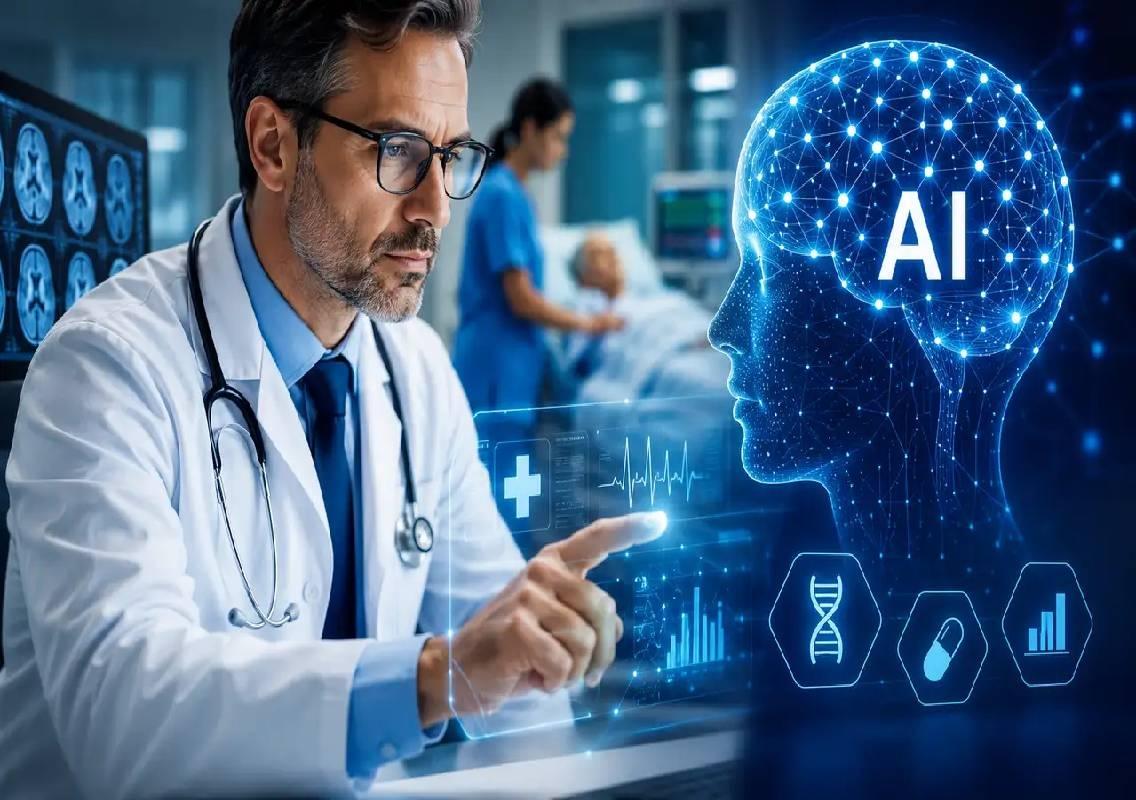
Doctors now use AI to:
- Detect diseases earlier
- Analyze X-rays and MRI scans
- Predict patient risks
- Discover new medicines
- Assist in robotic surgery

AI doesn't replace healthcare professionals—it helps them make faster and more accurate decisions.
AI in Business
Businesses around the world are using AI to:
- Automate customer support
- Improve digital marketing
- Detect fraud
- Analyze customer behavior
- Forecast sales
- Manage inventory
 Small businesses also benefit by using AI-powered chatbots, content creation tools, and customer relationship management systems.
AI in Education
Education has become more personalized through AI.
Students can now receive:
- Personalized learning paths
- Instant homework assistance
- Language translation
- Virtual tutoring
- Adaptive quizzes
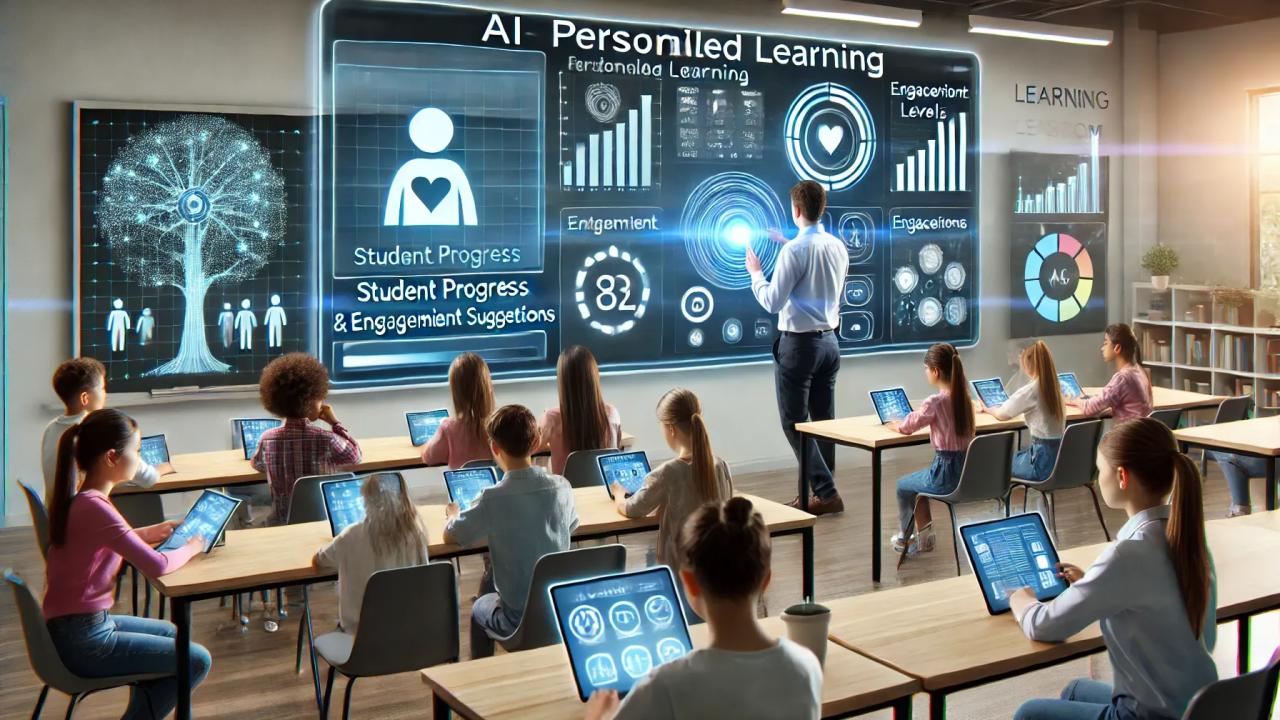
Teachers also use AI to grade assignments and monitor student progress more efficiently.
AI in Everyday Life
Many people use AI every day without realizing it.
Examples include:
- Voice assistants
- Email spam filters
- GPS navigation
- Online shopping recommendations
- Music and movie suggestions
- Smartphone cameras
- Social media feeds
 AI quietly powers many of the digital services people rely on.
Benefits of Artificial Intelligence
Some of AI's biggest advantages include:
- Faster decision-making
- Increased productivity
- Lower operating costs
- Better customer service
- Improved medical care
- Safer transportation
- More personalized experiences
- Continuous innovation

These benefits continue to grow as AI technology advances.
Challenges of AI
Despite its advantages, AI also presents challenges:
- Privacy concerns
- Data security
- Job displacement in some industries
- Ethical questions
- Bias in AI models
- Misinformation through AI-generated content
Responsible development and regulation will play an important role in ensuring AI benefits society.
The Future of Artificial Intelligence
Experts predict that AI will continue expanding into:
- Autonomous vehicles
- Smart cities
- Advanced robotics
- Personalized healthcare
- Financial technology
- Scientific research
- Agriculture
- Space exploration
Rather than replacing humans entirely, AI is expected to work alongside people, making jobs more efficient and opening new career opportunities.
Final Thoughts
Artificial Intelligence is reshaping the world at an unprecedented pace. Whether it's improving healthcare, revolutionizing education, transforming businesses, or simplifying everyday tasks, AI is becoming a cornerstone of modern life. Organizations that embrace AI responsibly will be better positioned for future success, while individuals who develop AI-related skills will have greater opportunities in the evolving job market.
As technology continues to advance, Artificial Intelligence will remain one of the world's most influential innovations, driving economic growth, scientific discovery, and digital transformation for years to come.