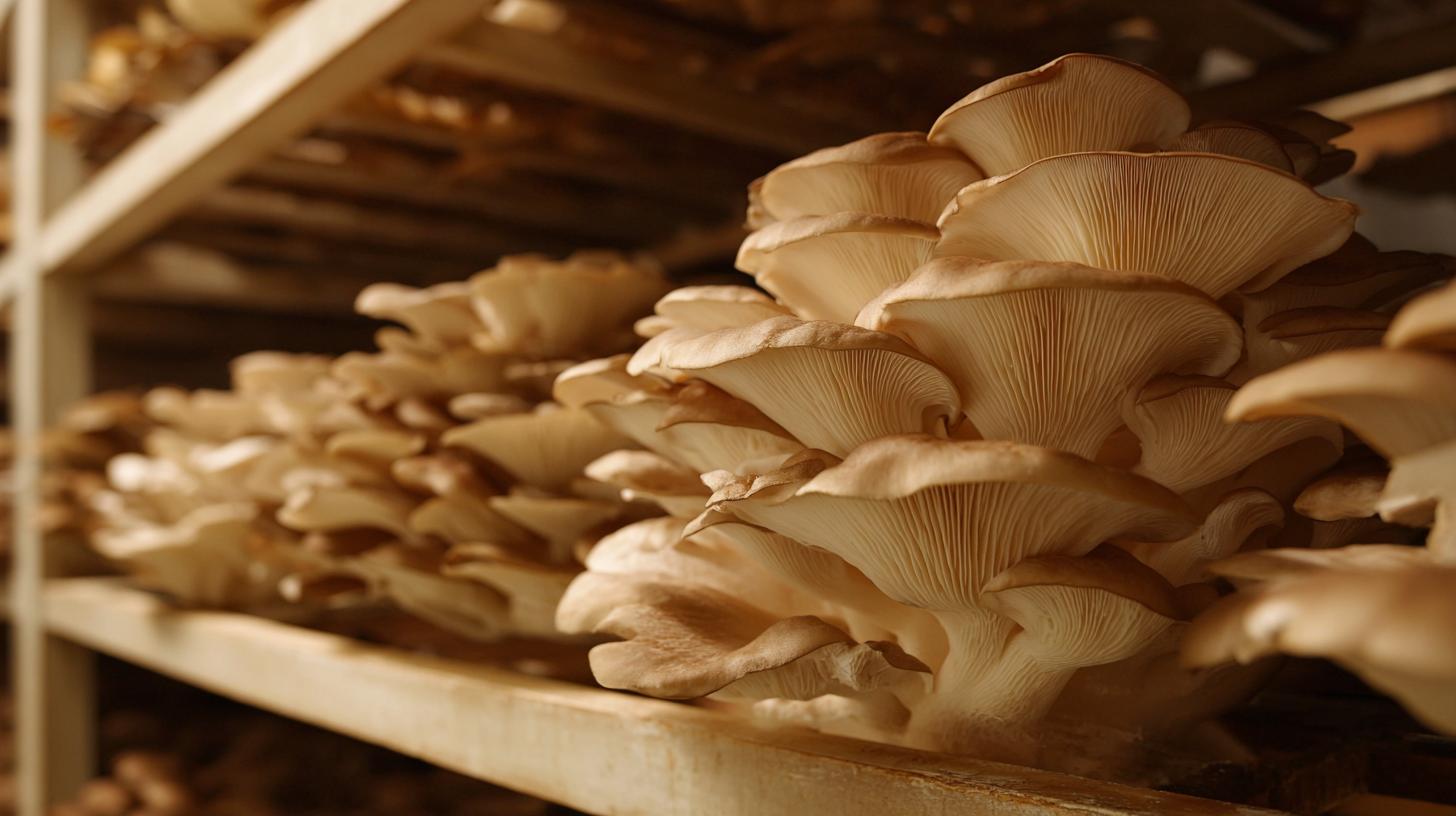
Mushroom Farming Business: How a Small-Scale Farm Can Grow into a Multi-Million-Dollar Enterprise
Revised on July 26, 2026.
The global demand for fresh, healthy, and organic food continues to rise, making mushroom farming one of the most profitable small-scale businesses to start in 2026. Unlike many agricultural ventures, mushroom farming requires relatively little land, has a short production cycle, and can generate income throughout the year.
Many successful mushroom companies started with a single growing room before expanding into large commercial farms that supply supermarkets, restaurants, hotels, and food processing companies. With proper planning and consistent quality, a small mushroom farm can develop into a large-scale agribusiness.
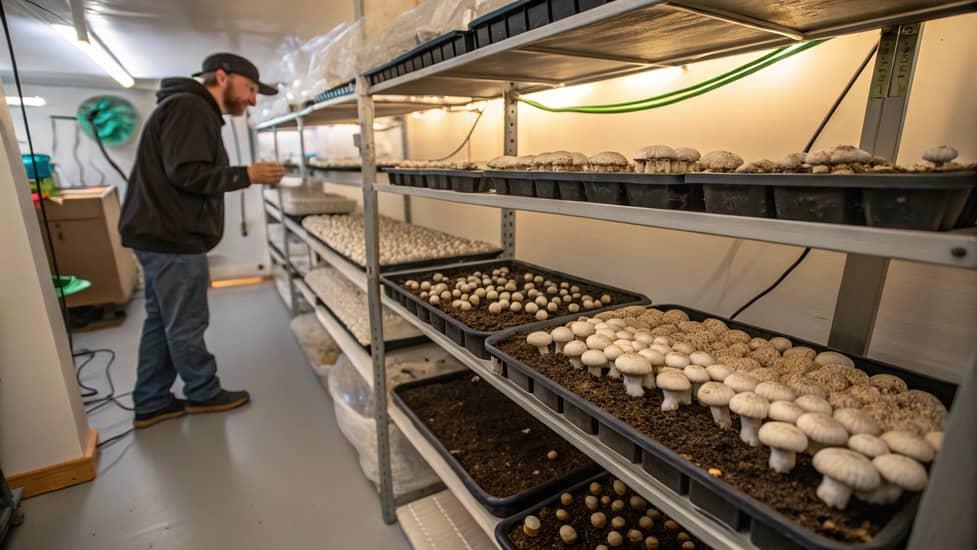
Why Mushroom Farming Is a High-Demand Business
People around the world are becoming more health-conscious, increasing demand for nutritious foods that are low in fat and rich in vitamins. Mushrooms are widely used in:
- Restaurants
- Hotels
- Supermarkets
- Pizza chains
- Fast-food businesses
- Food manufacturers
- Export markets
Popular mushroom varieties include:
- Oyster mushrooms
- Button mushrooms
- Shiitake mushrooms
- Lion's Mane mushrooms
- King Oyster mushrooms
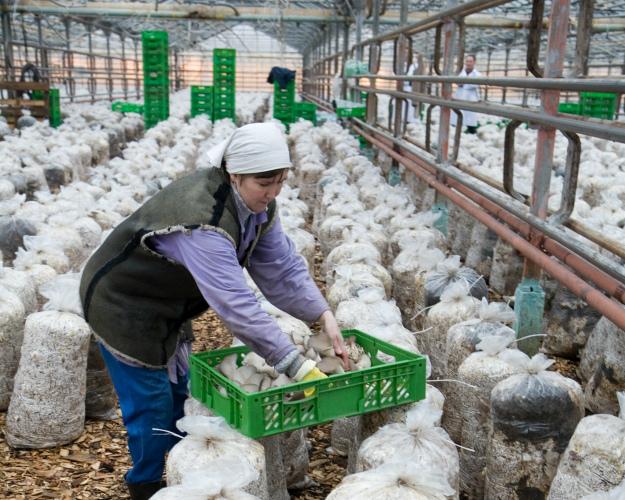 As vegetarian and vegan diets become more common, mushrooms are also gaining popularity as a meat alternative.
Why Start Small?
One of the biggest advantages of mushroom farming is that you don't need a large farm to begin.
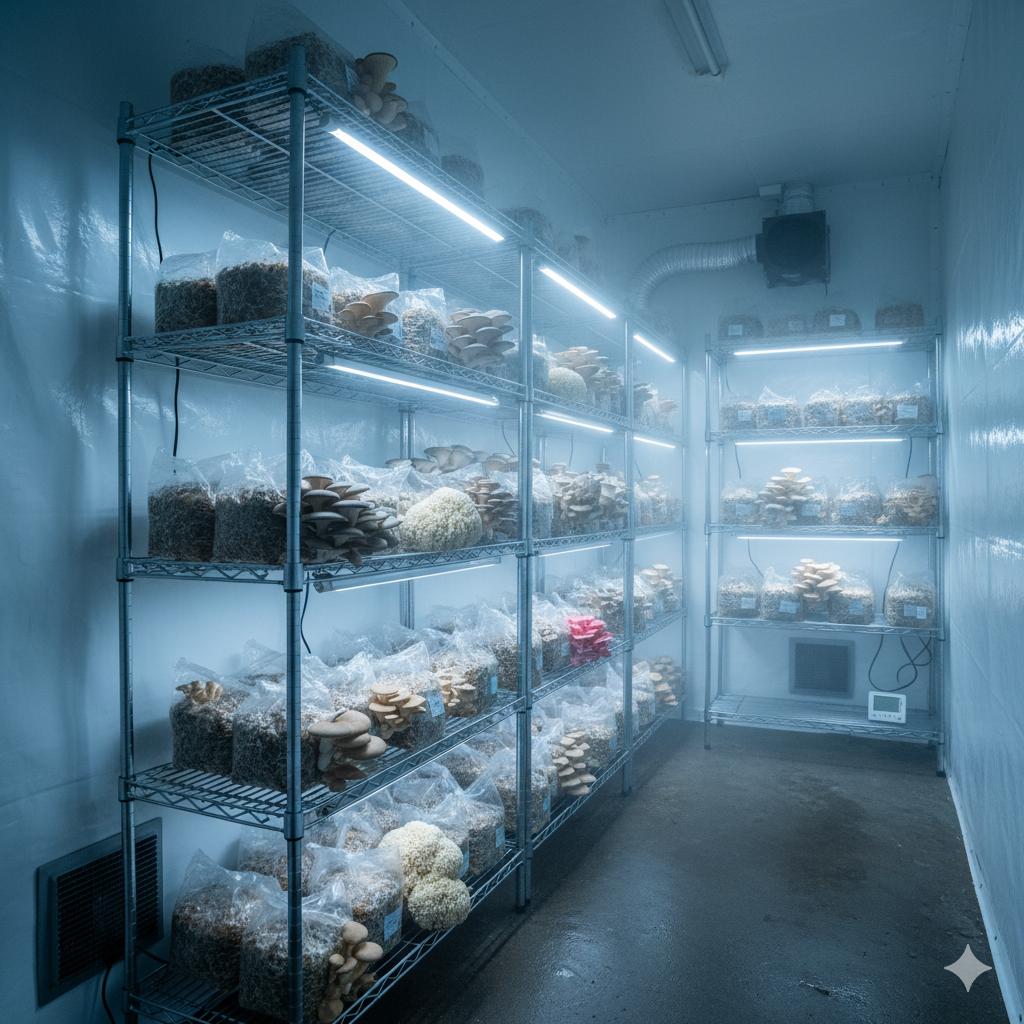
Many entrepreneurs start with:
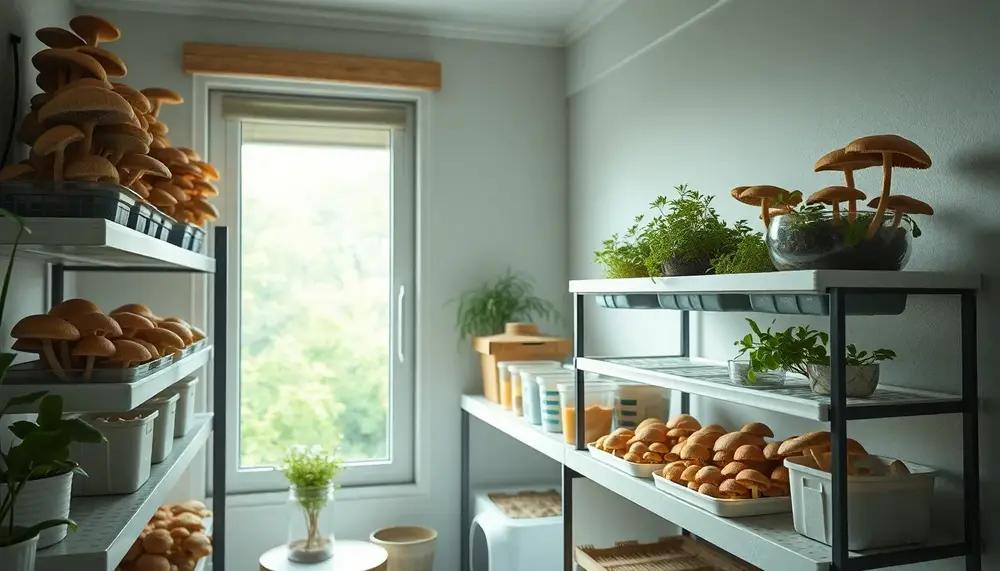
- One spare room
- A small greenhouse
- A rented storage space
- A backyard growing shed
This allows beginners to learn production techniques while keeping startup costs manageable.
How Mushroom Farming Works
The production process generally includes:
1. Preparing the Growing Medium
Mushrooms grow on organic materials such as straw, sawdust, or agricultural waste.
2. Adding Mushroom Spawn
Spawn is introduced into the growing medium under clean conditions.
3. Incubation
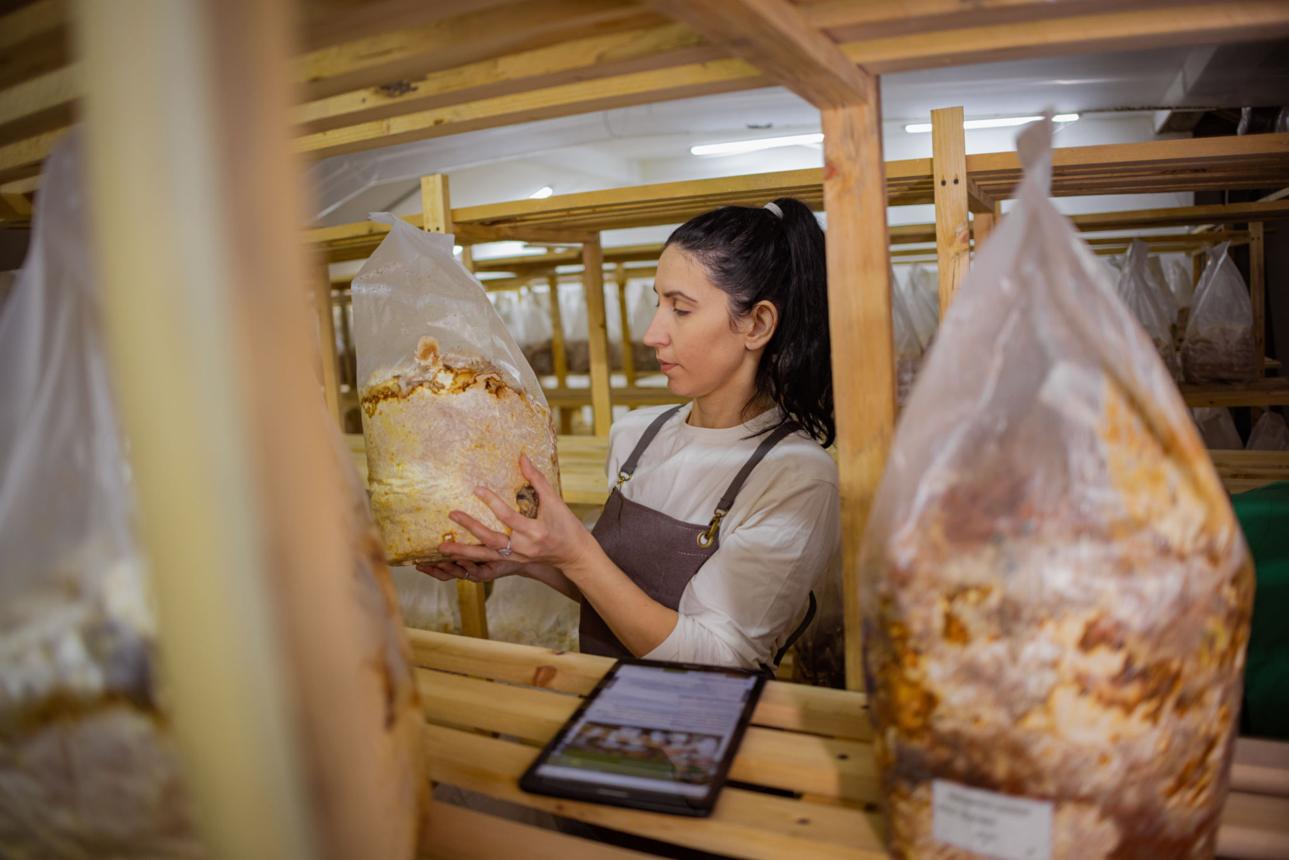
The bags or containers are stored in a controlled environment where the mushroom mycelium spreads through the substrate.
4. Fruiting
Temperature, humidity, and fresh air are adjusted to encourage mushroom growth.
5. Harvesting
Most mushrooms are ready for harvest within a few weeks, allowing for multiple production cycles each year.
Ways to Make Money
 Mushroom farming offers several income opportunities.
You can sell:
- Fresh mushrooms
- Dried mushrooms
- Mushroom powder
- Mushroom seasoning
- Mushroom snacks
- Mushroom growing kits
- Mushroom spawn
- Organic compost made from used substrate
Diversifying your products can increase revenue and reduce dependence on a single market.
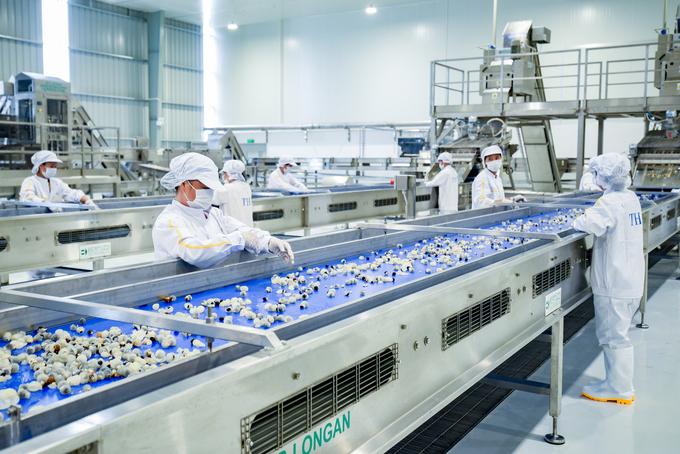
How to Grow into a Large Business
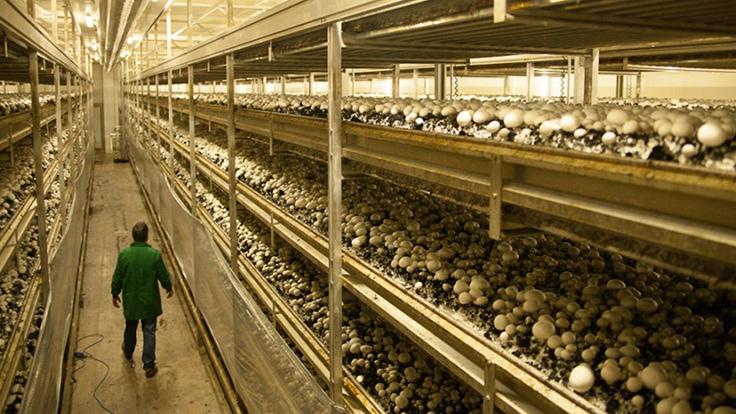
Many successful farms expand gradually by:
Increasing Production
Build additional growing rooms as demand increases.
Hiring Employees
Recruit staff to handle cultivation, harvesting, packaging, and logistics.
Supplying Retail Stores
Partner with supermarkets, grocery stores, and local markets.
Selling to Restaurants
Restaurants often need a consistent supply of fresh mushrooms.
Creating a Brand
Develop attractive packaging and build customer recognition.
Exporting Products
Some mushroom varieties have strong demand in international markets.
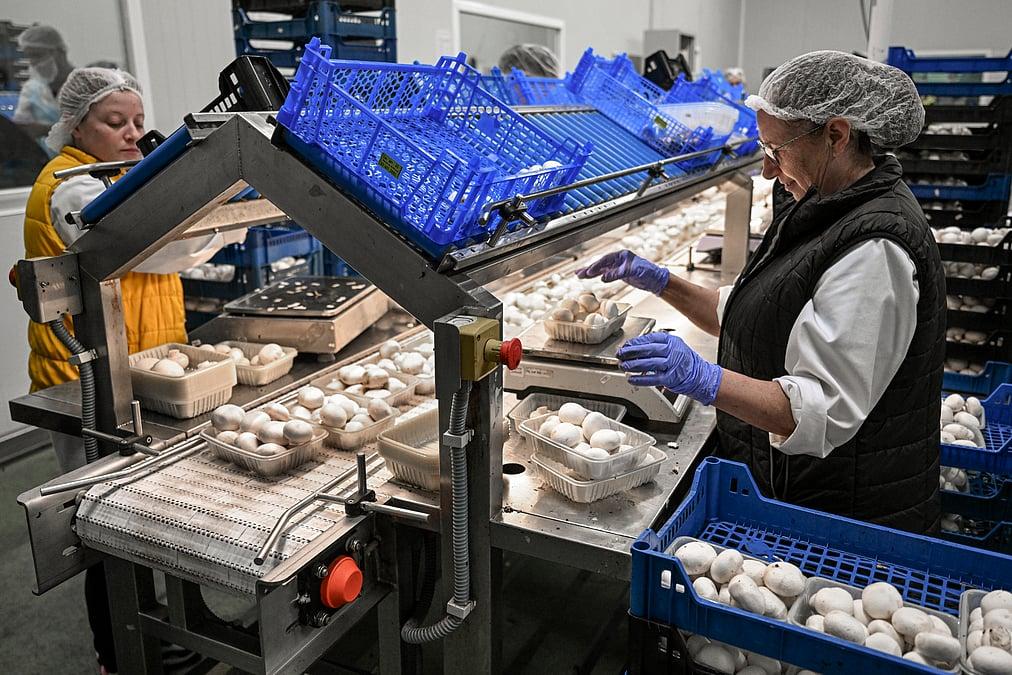
Benefits of Mushroom Farming
Some of the biggest advantages include:
- Low land requirements
- Fast production cycles
- Year-round income potential
- Growing demand worldwide
- Environmentally friendly production
- Scalable business model
- Multiple product options
- Potential for export
Challenges
Like any business, mushroom farming has challenges.
These include:
- Maintaining hygiene
- Controlling temperature and humidity
- Preventing contamination
- Managing consistent quality
- Building reliable distribution channels
Proper training and good management practices can help overcome these challenges.
Tips for Success
To build a successful mushroom business:
- Learn modern cultivation techniques
- Start with a small operation
- Keep your growing environment clean
- Focus on consistent quality
- Build relationships with buyers
- Invest profits back into expansion
- Create a recognizable brand
- Use social media to market your products
Future Opportunities
The future of mushroom farming looks promising. Demand is increasing for organic foods, functional mushrooms, and plant-based ingredients. Advances in controlled-environment agriculture are making production more efficient, while consumers continue to seek healthy and sustainable food choices.
Entrepreneurs who focus on quality, innovation, and reliable supply can grow from a small local producer into a regional or even international brand.
Conclusion
Mushroom farming is one of the best small-scale businesses that can grow into a large-scale enterprise. It combines relatively low startup costs with strong market demand and multiple revenue streams. With careful planning, continuous learning, and a commitment to quality, a small mushroom farm can evolve into a profitable business supplying supermarkets, restaurants, food processors, and export markets.
For anyone looking to start a business with long-term growth potential, mushroom farming is an excellent opportunity in 2026 and beyond.